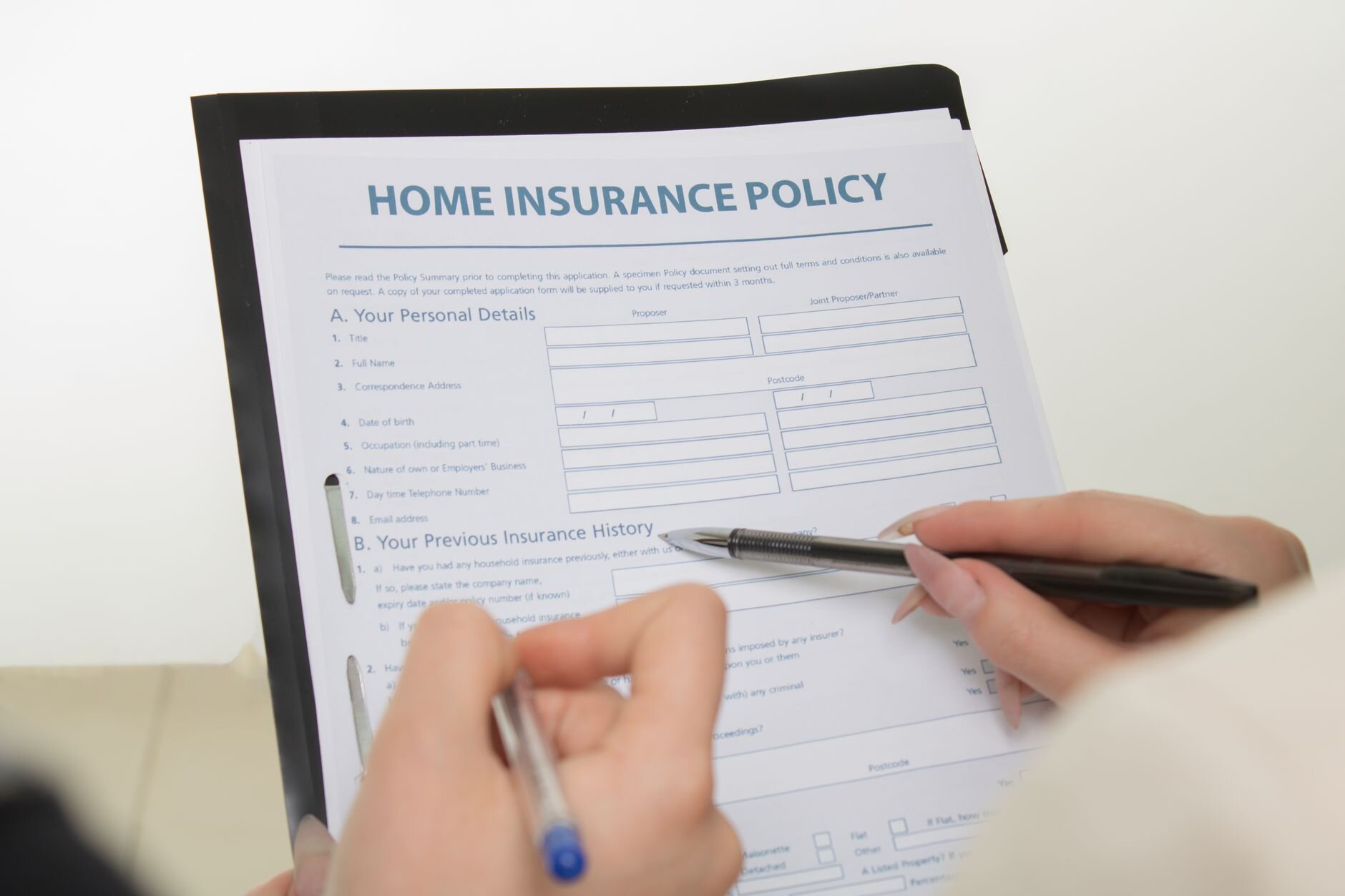
Personal property coverage basics

You probably know that home insurance protects your house from fire or wind, but the laptop on your desk and bike in your garage need protection too. Here's how your personal belongings are insured, even when they aren't in your home.
Personal property insurance focuses on your movable assets, meaning everything you'd take with you if you moved. In a standard home insurance policy, this is known as Coverage C.
Key takeaways
- Personal property is Coverage C—the part of your policy that pays to repair or replace your belongings
- It follows you off the property—usually at a lower limit than the belongings you keep at home
- Jewelry, firearms, and silverware carry sub-limits—caps that apply no matter how high your total limit is
- Scheduling a high-value item insures it at its appraised value—instead of at the standard sub-limit
- Replacement cost pays to buy the item new—actual cash value pays what it was worth the day you lost it
What is personal property insurance?
Personal property insurance is the portion of your policy that pays to repair or replace your belongings if they’re damaged or destroyed by a covered risk. This includes events like fire, theft, and windstorms. If you were to turn your house upside down and shake it, almost everything that falls out would be considered personal property.
Most everyday essentials fall under this category. Common items include:
- Electronics like laptops, smartphones, and gaming consoles
- Furniture including sofas, dining sets, and beds
- Clothing, shoes, and accessories
- Kitchen appliances and cookware
- Sports equipment and tools
What is the difference between personal property and contents?
Personal property insurance is often referred to as home contents insurance or even Coverage C personal property insurance, and there is no real difference between the two (other than the name).
The confusion comes into play when you start talking about types of property insurance. Most homeowners insurance policies offer home and contents insurance, protecting your structure and belongings. However, when you purchase renters insurance (also known as an HO-4 insurance policy), you only buy contents coverage since you don't own the dwelling.
What does personal property insurance not cover?
Although personal property homeowners insurance coverage is extensive, it doesn’t protect from everything.
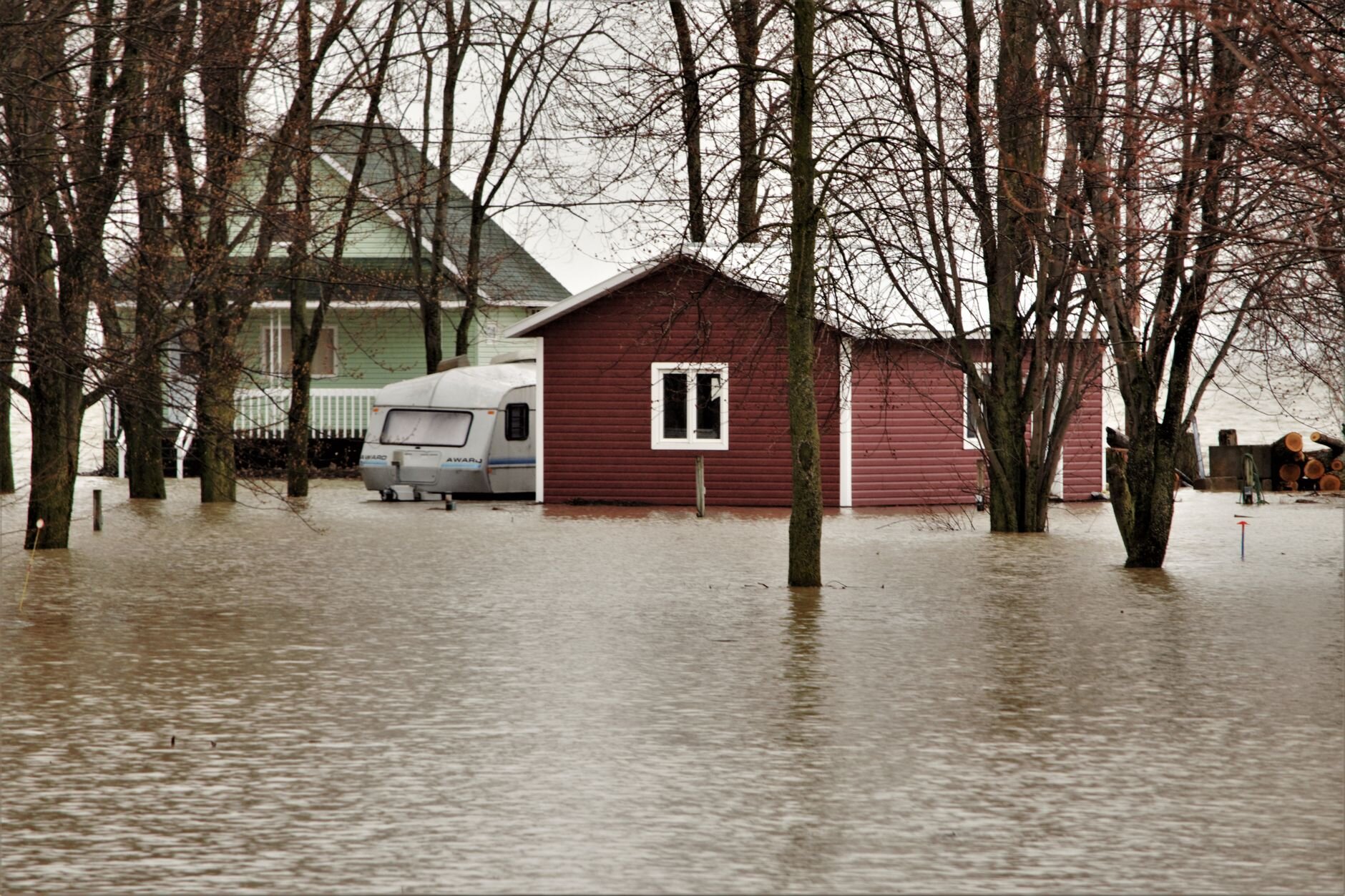
Generally, your belongings won’t receive protection from perils such as tornadoes, hurricanes, earthquakes, or even water damage that occurs after a flood or sewer backup. For those, you’ll usually need to purchase a separate insurance rider. Depending on your carrier, you may have the option to buy coverage like water damage insurance, flood insurance, or even water backup coverage.
Standard personal property insurance doesn’t cover things like cars or pets. If you’re a renter, any items that belong to your landlord and are kept at your home are excluded. And unless your roommate is specifically listed on your policy, their belongings won’t be covered either.
Personal property insurance also doesn’t cover any damage done to your home’s structure or any personal liability issues that may arise. If you have a comprehensive home insurance policy, though, dwelling insurance and personal liability coverage are generally included.
Lastly, it's worth noting that reimbursement limits may apply to costly covered items like jewelry or technology. These limits can vary by policy and item type, so be sure to read your insurance policy documents carefully to understand your specific monetary caps.
Protection beyond your front door
Off-premises insurance means your belongings are protected even when they aren't physically inside your home. If your laptop is stolen from your car while you're at work, or your luggage is stolen on a trip, your policy typically covers it.
This portability is a standard feature, though it often comes with a lower limit than the property kept at home. Off-premises protection is usually capped at a percentage of your total personal property insurance limit, and that percentage varies by carrier and state. Your declarations page, the summary page at the front of your policy, will list the figure that applies to you.
Sub-limits: what standard policies cap
Your policy covers a broad range of items, but certain categories carry specific caps called sub-limits. Those caps are part of how a base policy gets priced, and they can leave a gap if you collect valuables or own a few expensive items.
Standard policies limit payouts for these categories no matter how high your total limit. Jewelry is where owners run into it first, with theft limits that are typically a small fraction of the overall personal property limit and that vary by carrier and state. Commonly capped categories include:
- Jewelry and watches
- Firearms and related equipment
- Silverware, goldware, and pewterware
- Furs and high-end fashion items
- Business property kept at home
If you own an engagement ring worth $10,000, a standard jewelry sub-limit is likely to leave a gap. To address this, you can add scheduled personal property insurance to your policy. This involves listing specific high-value items and their appraised values so the item is insured at its appraised amount rather than at the standard sub-limit.
Actual cash value versus replacement cost
When you set up your policy, you choose how your items are valued. The choice between actual cash value (ACV) and replacement cost determines your payout after a loss. ACV pays you what the item was worth at the time of the loss, factoring in depreciation. If your five-year-old television is destroyed, ACV pays the current market price for a used five-year-old TV. This may not be enough to buy a new one.
Replacement cost value (RCV) pays the cost to buy the same item new today, without deducting for age or wear. RCV costs more than ACV on personal property insurance, and it's what lets you replace what you lost without dipping into savings.
How much does personal property insurance cost?
Many factors determine the cost of your personal property insurance coverage. These include things like your location, coverage limits, and even the type of homeowners insurance coverage you have.
Your premiums can also depend on whether you have an actual cash value (ACV) or replacement cost value (RCV) personal property policy. Generally, replacement cost insurance costs more upfront than actual cash value since the latter accounts for depreciation.
Since personal property coverage is built into the cost of your overall homeowners insurance policy, it can be difficult to determine how much of your premium goes toward your dwelling coverage and how much goes toward personal belongings.
How to estimate your personal property value
It's easy to underestimate what your belongings add up to. Before you evaluate homeowners insurance options, you need an accurate total.
- Walk through every room and record major items and their estimated ages.
- Take photos or videos of your closets, drawers, and storage areas.
- Save digital receipts for high-value purchases like electronics and appliances.
Three steps to take before your next renewal
- Review your current policy limits against your inventory.
- Identify the items that exceed a sub-limit, and ask about scheduling them.
- If you're insuring a vacant property or a rental, look at named-peril insurance, which insures only the specific causes of loss listed in the policy.
Choosing your valuation method and scheduling your valuables helps turn a rough guess into a number you can trust.
Hippo makes home ownership easy. Through our network of 70+ trusted carriers, we’ll find you the best quote and coverage options available. Get a free quote in about 60 seconds at hippo.com.
Frequently asked questions
Do I need a separate policy for my jewelry?
No, you can usually add a rider (an add-on that raises the limit for a specific item) or schedule the items on your existing policy to increase your limits.
Is my pet covered under personal property?
Generally, no. Pets aren't treated as property here, which is why pet insurance plans are sold separately.
How often should I update my home inventory?
Update your inventory at least once a year or whenever you make a significant purchase.
What is scheduled personal property coverage?
Scheduled personal property coverage is the portion of your homeowners insurance policy that protects your personal belongings, such as your clothes, furniture, home decor, kitchen gadgets, electronics, and more. This coverage can help pay to repair or replace the things in your home if your property is damaged or destroyed by a covered peril.
What is a personal articles policy?
A personal articles policy offers added coverage for your valuable items on top of the coverage already provided by your homeowners policy’s personal property coverage. This special personal property coverage can be used to protect high-value items such as jewelry, antiques, fine art, tech equipment, and even medical devices.
Is personal property coverage required in renters insurance policies?
A renters insurance policy protects your personal belongings while you live in someone else's home. By design, renters insurance offers personal property coverage and, in many cases, personal liability insurance. If you don’t want to protect your belongings and are only interested in liability protection, you can purchase stand-alone liability coverage or even an umbrella policy.
Is personal possessions insurance worth it?
If your home were to burn down tomorrow, your homeowners insurance policy’s dwelling coverage would kick in to help you rebuild and get a roof back over your head. However, the dwelling portion of your coverage wouldn’t replace your closet full of clothes and shoes, all of your furniture and home decor, or your electronics. A house full of belongings can easily add up to tens or even hundreds of thousands of dollars, so having personal possessions insurance allows many homeowners to rest easy.
Are personal items considered assets?
Your personal belongings hold value and, as such, are considered assets. Protecting those assets often means buying adequate homeowners insurance and personal property coverage.
This article is for informational purposes only and was compiled from sources not affiliated with Hippo. While we believe this information to be reliable, we do not guarantee its accuracy or completeness. For any insurance-related decision, please consult your licensed insurance producer.
Sources cited are publicly available and referenced in August, 2026.