Personal liability coverage in your policy

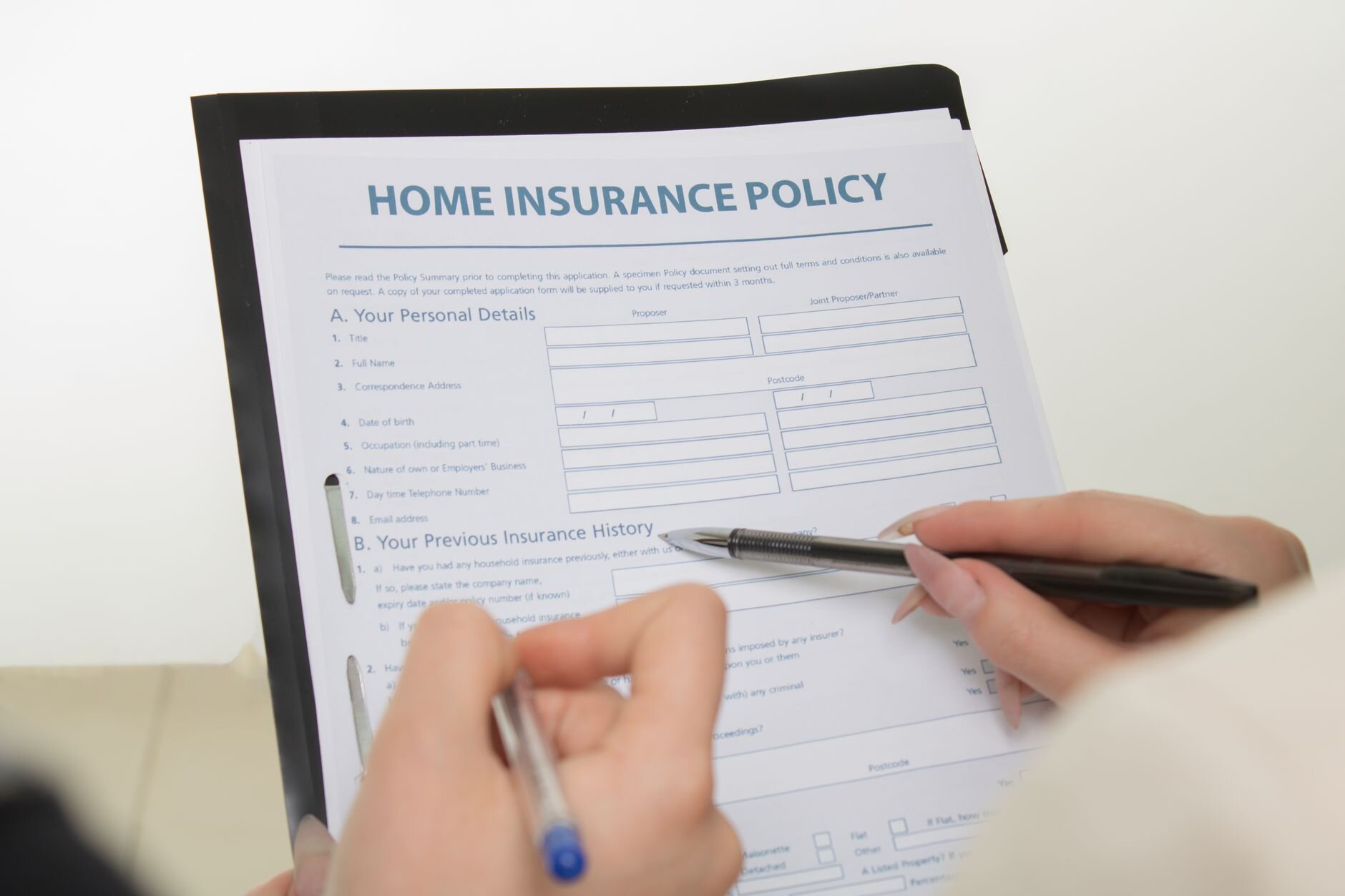
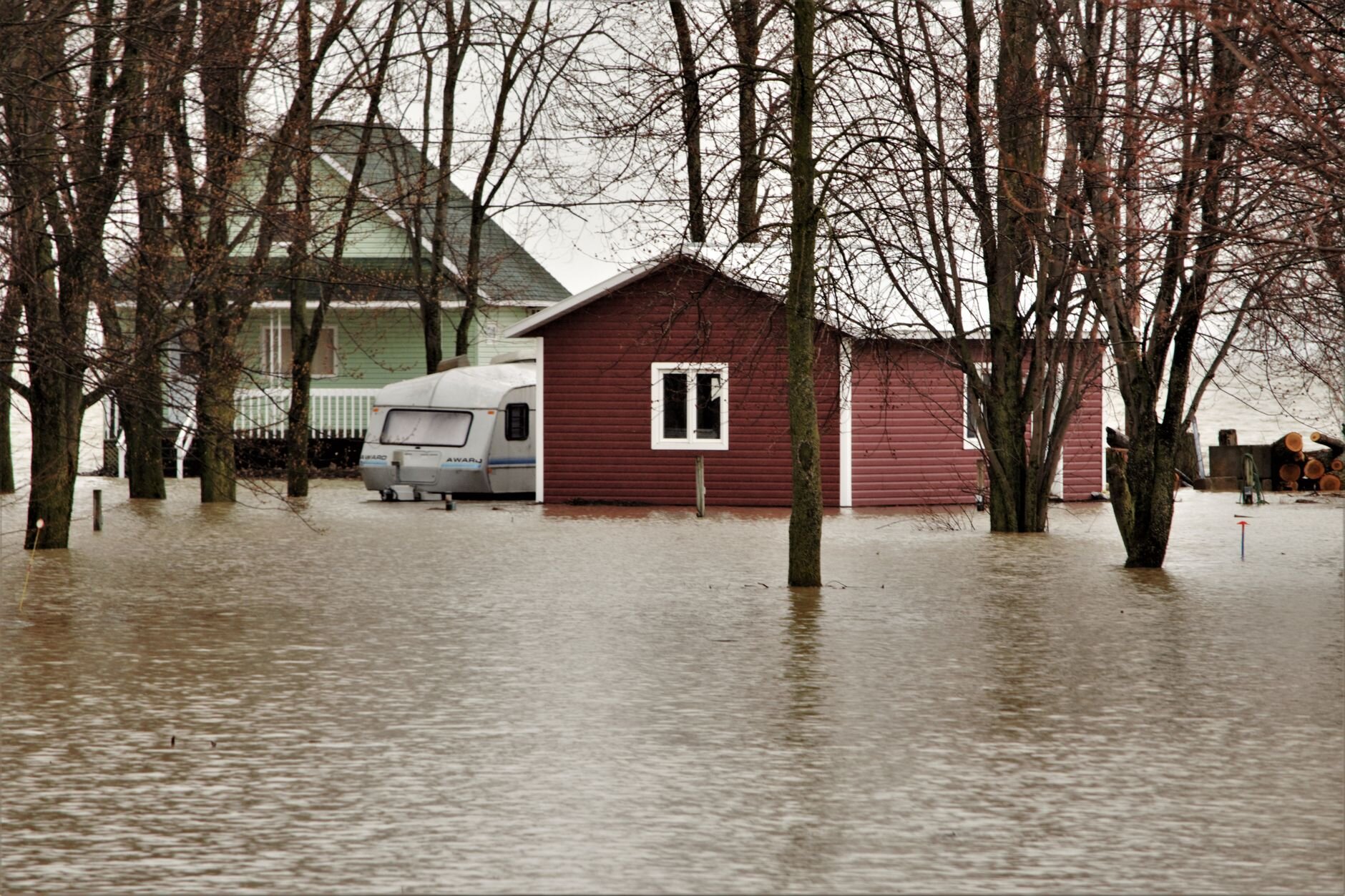
Your homeowners policy is designed to protect you in two areas: It has dwelling protection to cover the physical structure of your house, and personal liability insurance, which covers you if someone is injured on your property—or their property is damaged.
Here's more detail on personal liability, including the limits homeowners typically carry, and how to know if your policy truly matches what you want to protect.
Key takeaways
- Liability insurance covers claims from other people—it doesn't pay for your own losses
- Legal costs are typically included—even when the lawsuit turns out to be groundless
- Dog bites and guest injuries are typically covered—personal liability is built for these two situations
- Umbrella insurance extends coverage above standard limits—ideal for households with high-worth assets
What is personal liability insurance?
Personal liability insurance protects you financially when someone is injured on your property; or the person’s property is damaged because of something you did or didn’t do, according to the Legal Information Institute, at Cornell Law School.
Bodily injury: when someone gets hurt on your property
Personal liability kicks in when someone other than you is hurt, up to the limit you've chosen. If a guest trips over a loose rug and needs medical attention, it helps to cover their medical expenses. It can also apply when a tree on your property falls and injures a neighbor on their property.
Property damage: when you’re responsible
This protection applies when you or a family member accidentally damage someone else's property. For example, if your child accidentally hits a baseball through a neighbor's window, your insurance can help pay for the repairs. The limit you choose sets the ceiling on the pay out.
Your policy pays to defend you
Beyond paying out for damages, most standard policies cover your costs if you go to court. This matters because even a groundless lawsuit can be expensive to fight.
Typical personal liability insurance includes:
- Attorney fees for your legal defense
- Court costs and filing fees
- The cost of settlement negotiations
- Payouts for awarded damages up to your policy limits
Common liability claims
Dog bites are a frequent source of liability claims. If your dog bites a delivery person or a neighbor, their claim can include medical costs and, depending on the state, other damages.
Guest injuries are another common source. If someone on your property injures themselves slipping on your walkway, or falling due to a loose railing, they’re apt to file a claim. Fortunately, these are the types of claims you can avoid if you stay on top of your property maintenance.
If you own rental property, you may also need landlord liability insurance to protect against similar risks. It's worth reading the landlord insurance exclusions too, since some gaps are filled by riders, the add-ons that extend a policy beyond its standard terms.
What does personal liability insurance not cover?
Of course, even though personal liability insurance protects you in several different situations, it isn’t designed to cover everything. Personal liability home insurance doesn’t apply to things like:
- Intentional injuries
- Intentional damages to your home (no matter who causes them)
- Personal injuries (those occurring to you or others in your household)
- Damage to your own vehicles (they should have their own auto insurance policies to provide adequate coverage)
- Any injuries that occur related to a small business being run out of your home (instead, you’ll need to purchase a Business Owners Policy, or BOP, which can help cover injuries from on-site visitors)
You’ll also be limited to the coverage values included in your policy. Your carrier will not pay the overage if someone's medical bills, lost wages, or other damages exceed your policy limits.
How to make sure your liability limit makes sense
Homeowners insurance policies usually come with a standard, starting liability limit, and it's easy to leave it there for years. For reference, the Insurance Information Institute suggests homeowners consider a liability limit of at least $300,000 to $500,000.
To confirm you have the right limit, you should:
- Review your current homeowners insurance policy to see your existing liability cap.
- Decide if you need supplemental umbrella insurance for limits above what your home policy covers.
Umbrella insurance
If your homeowners insurance policy doesn't provide enough coverage or you simply want more versatile personal liability insurance, consider the value of umbrella insurance.
Think of an umbrella policy like an actual umbrella when it rains: While your “roof” of homeowners insurance might offer some good protection from the storm while you’re on your property, it’s limited. Instead, umbrella coverage can follow you no matter where you go or what situations you encounter (much like a real umbrella in a storm).
These extended protection policies typically offer coverage starting at $1 million and going as high as $5 million or even $10 million, depending on the carrier. They can protect you against a variety of liability situations, whether someone is hurt in your home or even in a car accident for which you’re at fault.
While it might seem intense to get that much protection for an accident that hasn’t even happened yet, you’ll be thankful you did once those legal and medical expenses start piling up.
How much does personal liability insurance cost?
Increasing the personal liability limits of your homeowners insurance policy can be an easy and affordable way to protect yourself and your assets. Depending on your insurance company and the coverage you already have, increasing your personal liability coverage limits might only cost you a few extra dollars each month.
When it comes to protection against liability, personal insurance on your home policy might not be enough. In this case, buying additional coverage in the form of an umbrella policy could fill that gap. The average umbrella policy costs around $380 annually for coverage between $1 million and $2 million.
Protecting yourself from the costs associated with accidents is not only a smart move, but it’s often required by mortgage lenders, landlords, and even condo associations. With no deductibles and traditionally low annual costs, liability insurance is a no-brainer that ensures you won’t go bankrupt from one incident.
Looking to extend your coverage? Let us walk you through our liability insurance options to get you the security and peace of mind you need.
What to do next
- Audit your property for common hazards like loose stair railings or uneven walkways.
- Evaluate your home insurance deductible to ensure you can balance premium costs with out-of-pocket expenses during a claim.
Acting now allows you to fix problems before they turn into claims. And making sure your liability limit matches the value of your assets offers peace of mind.
Hippo makes home ownership easy. Through our network of 70+ trusted carriers, we’ll find you the best quote and coverage options available. Get a free quote in about 60 seconds at hippo.com.
Frequently asked questions
Does personal liability cover my own injuries?
No, personal liability doesn't cover a homeowner’s injuries. This insurance is for damage or injury you cause to others. Your own medical expenses would typically fall to your health insurance, or to a different part of your homeowners policy.
How much liability insurance do I need?
Typically, you want enough liability insurance to cover your net worth. See the limits section above for the Insurance Information Institute's suggested range.
What is the difference between liability and dwelling protection?
Dwelling protection covers the physical structure of your home. Liability insurance protects your financial assets if you're sued for injury or property damage to someone else.
What is the difference between personal and public liability insurance?
Personal liability insurance is a product designed to protect you, an individual, against liability, while public liability insurance is a type of coverage for businesses. Both are similar in that they provide liability coverage against medical bills, lost wages, and other expenses if someone is injured on your property.
Is personal liability the same as general liability?
No, personal liability and general liability coverage are not the same. A policy with personal liability coverage will help protect you and others in your household if someone is injured on your property. A general liability policy, or commercial general liability (CGL), is a type of coverage designed to protect business owners from liability if an injury occurs or if one of their employees is responsible for property damage, injuries, or advertising damages.
Is personal liability insurance necessary?
Personal liability insurance is often part of the coverage required by mortgage lenders and landlords. Even if you aren't required to buy this protective coverage, it can be an important tool in protecting yourself, your assets, and your peace of mind against any number of injuries or damages, and is typically included in homeowners insurance policies.
How much personal liability insurance do I need as a renter?
Your personal liability insurance requirements as a renter may be set by your landlord or property management company, so they might vary. However, a general rule of thumb is to buy enough liability coverage to adequately protect your current net worth (your existing assets minus any liabilities). Typical renters insurance policies allow for liability coverage in three standard limits: $100,000, $300,000, or $500,000.
Does personal liability insurance cover dog bites?
When it comes to personal liability insurance coverage, not all carriers will cover injuries related to dog bites. Among those that do, there may be limitations to things like the dog’s breed or prior notice that the dog resides on the property. Be sure to read your policy documents carefully to see what coverages are available, and reach out to your carrier if you have questions.
This article is for informational purposes only and was compiled from sources not affiliated with Hippo. While we believe this information to be reliable, we do not guarantee its accuracy or completeness. For any insurance-related decision, please consult your licensed insurance producer.
Sources cited are publicly available and referenced in August, 2026.