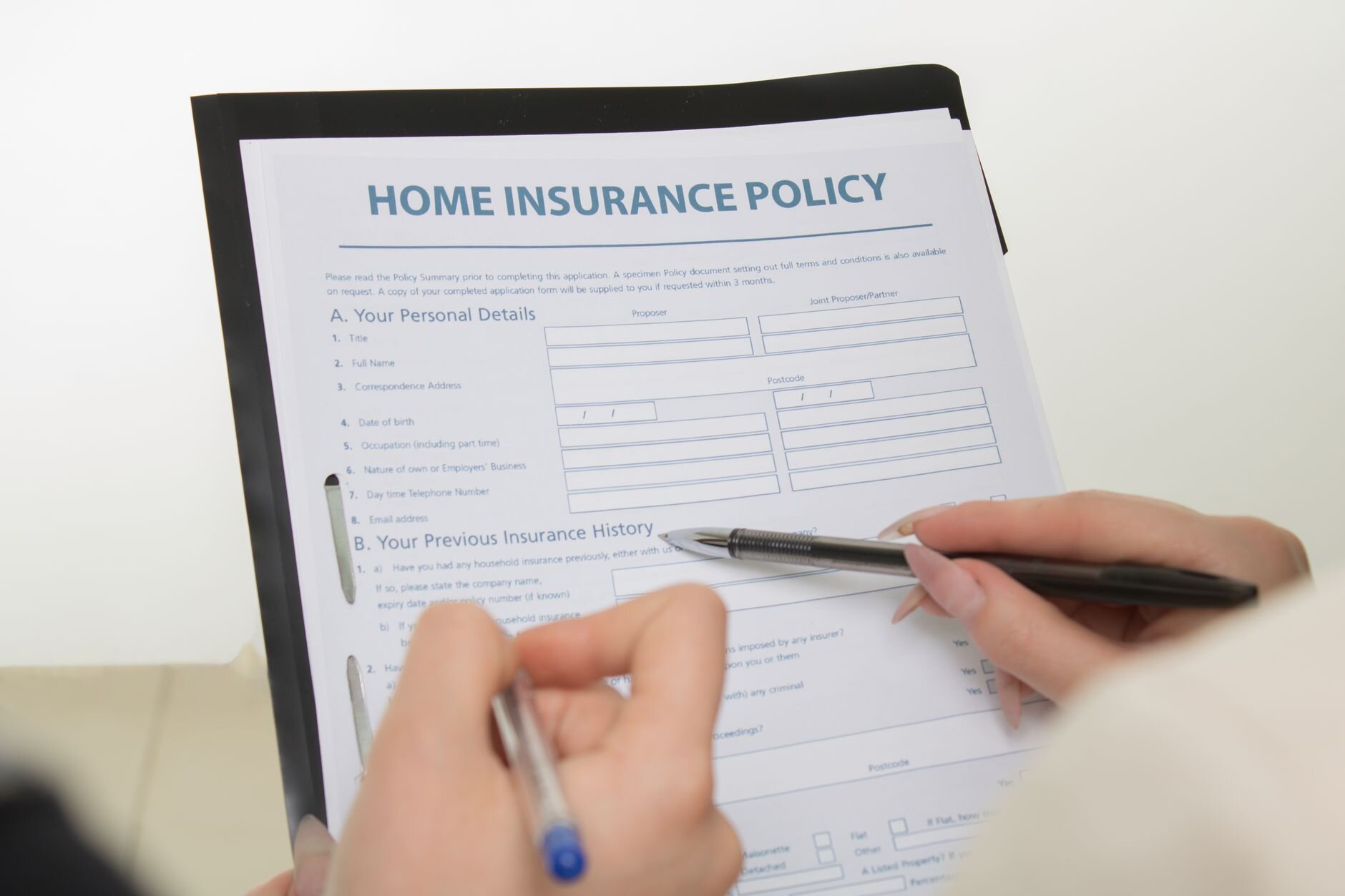
Landlord liability coverage basics

Landlord liability insurance pays when someone is injured while on your property, or their property is damaged on your property, and you're found responsible. When you decide to rent out your property and become a landlord, you take on a different set of risks than you would as a homeowner. A homeowners policy covers the physical structure of a home you live in, as well as your belongings in it. A landlord policy is built to cover a home you don’t live in, including the injuries, disputes, and lawsuits that can result when tenants occupy your home.
Here's what it typically covers, why a homeowners policy falls short, and how much protection landlords typically carry.
Key takeaways
- Landlord liability typically isn’t covered by a homeowners policy—a personal homeowners policy excludes business activities, and renting your home for income counts as a business activity
- Liability covers more than physical injury—it can also cover damage to a tenant's property when you're found responsible, and to claims such as a wrongful eviction dispute
- Legal defense is often the larger cost—landlord liability policies typically pay defense costs up to your limits, whether or not you're found responsible
- Limits commonly start around $100,000—though many landlords carry more, and an umbrella policy can extend protection further
What landlord liability insurance covers
Bodily injury and medical payments
If a tenant or guest is injured on your property and you're found responsible, your policy is built to cover their medical costs. For example: a loose stair tread causes someone to fall, and your liability policy pays for the emergency room visit and physical therapy that follows.
Medical payments also work a little differently. Your liability policy can pay smaller medical costs for an injured guest without anyone being found at fault, which sometimes settles things before they turn into a dispute.
Legal defense and settlements
If a claim becomes a lawsuit, your policy typically covers attorney fees, court costs, and any settlement or judgment, up to your limits.
Defense costs matter more than most landlords expect. Legal bills add up whether or not you're eventually found responsible. Even a claim you win can be expensive.
The types of claims liability insurance covers
Liability insurance covers more than slip-and-fall accidents. Here’s a high-level summary of risks you can expect will be covered.
Claim type | What it covers |
|---|---|
Bodily injury | Physical harm to a tenant or guest caused by a property hazard |
Property damage | Damage to a tenant's belongings when you're found responsible |
Personal injury | Non-physical claims such as libel, slander, or wrongful eviction |
Medical payments | Smaller medical costs for an injured guest, regardless of fault |
It's just as important to know what your policy excludes, because exclusions vary by carrier and that's where unexpected gaps turn up. Ask your carrier for the exclusions list on the policy you're quoted.
Why a homeowners policy won’t cover a tenant injury
New landlords often assume their existing homeowners policy will extend to a rental. It usually doesn't, and it’s because of how the policy is written.
Most homeowners policies exclude liability arising from business activity, and renting a property for income qualifies. The National Association of Insurance Commissioners (NAIC) explains it clearly: once a house is converted to a rental property, it becomes a place of business, which changes the insurance requirements. This explains why a tenant injury claim filed under an owner-occupied homeowners policy will likely be denied.
How much liability protection should landlords carry?
There's no single right number. It depends on how much you have to lose.
Liability limits on a policy commonly start around $100,000. The Insurance Information Institute notes that limits generally begin near that level and that some experts suggest carrying at least $300,000. Landlords with more equity or more properties, often carry higher limits.
An umbrella policy is the usual way to go above a standard policy's limit. It sits on top of your existing limits and extends them—often covering claims a base policy doesn't. If what you own is worth more than your liability limit, that gap is what an umbrella policy is for.
A safe strategy is to work out the specific number with a licensed insurance agent based on what you actually own, rather than picking a number you think feels right.
Reduce your risk before a claim
Preventing a claim costs you nothing, so the more you can do to avoid one, the better. In most cases, landlord liability turns on whether the property was reasonably maintained, and good record keeping is the best way to prove it.
- Regularly inspect walkways, railings, stair treads, and exterior lighting
- Keep a written log of repairs and tenant requests, with dates
- Test smoke and carbon monoxide alarms before every new lease and record it
- Retain records of professional inspections for heating, electrical, and plumbing systems
That paper trail does double duty. It lowers the chance of an incident, and it's your evidence that you met your obligations if one happens.
What to do next
If you’re planning to rent out a property you own but don’t live in, make sure you have the correct landlord insurance and confirm if it actually covers tenant-related liability. Since rental property rates can change, you may want to then compare your policy to what other carriers in the market are offering.
Whether you live in your home or rent it out, Hippo makes homeownership easy. Through our network of 70+ trusted carriers, we’ll find you the best quote and coverage options available. Get a free quote in about 60 seconds at hippo.com.
Still have questions?
Is landlord liability insurance required by law?
Landlord liability insurance usually isn’t required by your state, but most mortgage lenders require it on a rental property. Without a mortgage, it's your decision, rather than a requirement.
How much liability insurance should a landlord have?
Limits commonly start around $100,000, and the Insurance Information Institute notes that some experts suggest at least $300,000. Landlords with substantial equity often carry more and add an umbrella policy. Calculate the number with a licensed insurance agent based on the value of your property.
Does liability insurance cover damage to my tenant's belongings?
Landlord liability insurance covers damage to a tenant’s property only if you're found responsible. Tenants need their own renters insurance to cover their belongings, and many landlords require it in the lease.
How is renter’s insurance different from landlord insurance?
Renter’s insurance is obtained by a tenant who wishes to have protection for their personal property and belongings. On the other hand, landlord insurance is purchased by a landlord in case of any property damage or a tenant injury.
Why should I opt for a DP-3 policy?
DP-3 insurance policies provide coverage for a broader range of perils than the DP-1 or DP-2 policies. In all instances, you should confirm that you have liability coverage added.
This article is for informational purposes only and was compiled from sources not affiliated with Hippo. While we believe this information to be reliable, we do not guarantee its accuracy or completeness. For any insurance-related decision, please consult your licensed insurance producer.
Sources cited are publicly available and referenced in August, 2026.