Homeowners insurance coverage types explained
Buying a home is exciting. Reading the insurance policy that comes with it, less so. But the forms referenced in that policy, like HO-3 or HO-5, aren't just jargon. They determine exactly what your policy protects, including the structure, your belongings, and your liability, and where you might have gaps.
Here's what you need to know before you compare policies.
Key takeaways
- Every standard policy is built from the same six parts—three for property, two for liability-related coverage, and one for guest medical bills
- HO-3 is the default policy for owner-occupied homes—open-risk on the structure, named-risk on your belongings
- HO-5 extends open-risk to your belongings too—which is why it shows up on higher-value homes
- Renters, condo owners, and older homes have their own forms—HO-4, HO-6, and HO-8 respectively
The 6 core components of home insurance
Every standard policy is built on six pillars of protection. These parts define what’s insured and the limits of that financial support. Whether you're reviewing an existing policy or starting a new search, these categories are how a standard homeowners policy is organized.
- Dwelling—protects the physical structure of your home, like the walls and roof
- Other structures—covers detached buildings on your property, such as fences or sheds
- Personal property—provides financial protection for belongings like furniture, clothes, and electronics
- Loss of use—pays for additional living expenses if your home becomes uninhabitable
- Personal liability—protects you if someone sues you for bodily injury or property damage
- Medical payments—covers minor medical bills for guests injured on your property
HO-3 to HO-8: which policy fits your home?
The standard: HO-3 special form
The Insurance Information Institute describes the HO-3 insurance policy as the most popular homeowners policy form. It’s the most common choice because it covers your dwelling on an open-risk basis, meaning the structure is covered for any cause of loss the policy does not specifically exclude. Standard exclusions include flood, earthquake, and gradual wear and tear.
The comprehensive: HO-5
For homeowners seeking a high level of protection, the HO-5 form extends that open-risk basis to personal property as well. An HO-3 insurance policy covers your belongings only for specifically named risks. In contrast, the HO-5 covers them for anything the policy does not exclude. This is often the preferred choice for high-value homes with many personal assets.
Specialty forms: HO-4, HO-6, and HO-8
Not every property fits the standard model. Renters use the HO-4 form, which focuses entirely on personal property and liability. Condo owners use an HO-6 policy to cover the interior of their unit. For those with historic properties, an HO-8 insurance policy is often the best fit. The HO-8 is built for older homes and settles claims on an actual cash value basis, which pays what the damaged item is worth today after depreciation. Some homeowners may choose an HO-2 policy, which covers only the causes of loss it names, or an HO-7 policy for a manufactured home.
Which form fits which home
The homeowners insurance types below differ mainly in how they define the risks they cover.
Policy form | Commonly used for | Risks covered |
|---|---|---|
HO-3 | Single-family homes | All except those the policy excludes |
HO-4 | Renters | Only the risks the policy names |
HO-5 | High-value homes | All except those the policy excludes |
HO-6 | Condos | Only the risks the policy names |
HO-8 | Historic homes | Only the risks the policy names |
Why HO-3 is the modern industry standard
The reason the HO-3 home insurance form is so popular is because of its breadth. Unlike basic forms like the HO-1, which only protects you against a short list of specific events,the HO-3 provides much broader protection, covering your home's structure against any cause of loss the policy doesn't specifically exclude.
The wider basis described above is why it became the default for owner-occupied homes, and why it is the form most comparison shopping starts from. This broader protection provides peace of mind for the most common risks homeowners face today. When you compare home insurance rates and homeowners insurance by state, most of the quotes you see will be built on it. That makes the HO-3 the baseline other forms are measured against.
Additional homeowners insurance coverages for your home
In addition to the basic home insurance coverages above, many companies allow you to customize your policy with extra add-ons. The benefit is a more well-rounded homeowners insurance policy that better fits your needs.
Here are some extra things home insurance can cover if you buy an endorsement or rider:
- Umbrella insurance extends the liability protection limits of all your insurance policies. So, if you have a home, boat, auto, and other insurance, it applies to all of them. This insurance coverage helps protect your assets if you're sued for a large amount.
- Ordinance or law coverage is ideal for older homes because it pays extra if your home needs to be “brought up to code” while it’s being rebuilt from a covered peril.
- Equipment breakdown coverage pays to repair any systems or appliances in your home that stop working because of mechanical or electrical issues. It’s ideal if you want HVAC insurance or other coverage.
- Loss assessment coverage is for when you’re required to pay a claim that exceeds your homeowners association’s (HOA’s) master policy limits.
- Scheduled personal property coverage is great for any high-value items that exceed your standard policy limits. You can get jewelry insurance or extra coverage for art, collectibles, musical instruments, electronics, and other items.
- Water backup coverage pays for damage caused by water backing up through sewers, drains, or overflowing from a sump pump.
- Service line coverage pays to repair or replace underground utility lines that service your home (like water, sewer, and electrical lines).
- Solar insurance protects your solar panels against damage from covered perils, as these may not be fully covered under your standard policy.
- Blanket insurance provides a single limit for your home, personal property, and other structures rather than separate limits for each type of home insurance coverage.
Need help deciding which optional home insurance coverages you need? Talk to a Hippo insurance agent to figure it out.
How to compare home insurance rates effectively
Finding the right policy doesn't have to take days of research. You can find a tailored fit by following a simple process:
- Gather your home details, including the age of your roof and heating systems.
- Use a licensed insurance agency like Hippo to compare homeowners insurance quotes from 70+ carriers.
- Review your quotes side by side—it takes about 60 seconds—and see what fits your specific state.
Proactive protection: beyond the policy form
Insurance is your safety net, but proactive maintenance is your first line of defense. Taking small steps today can prevent large claims tomorrow.
- Inspect your roof annually for loose shingles or signs of wear
- Clear your gutters every spring and fall to prevent water damage to your foundation
- Test your smoke and carbon monoxide detectors every month
- Keep an updated digital inventory of your personal property to simplify any future claims process
Common questions about policy forms
What’s the difference between an HO-3 and an HO-5 policy?
The HO-3 applies the open-risk basis to your home's structure only. The HO-5 applies it to your belongings as well.
Is flood insurance included in a standard homeowners policy?
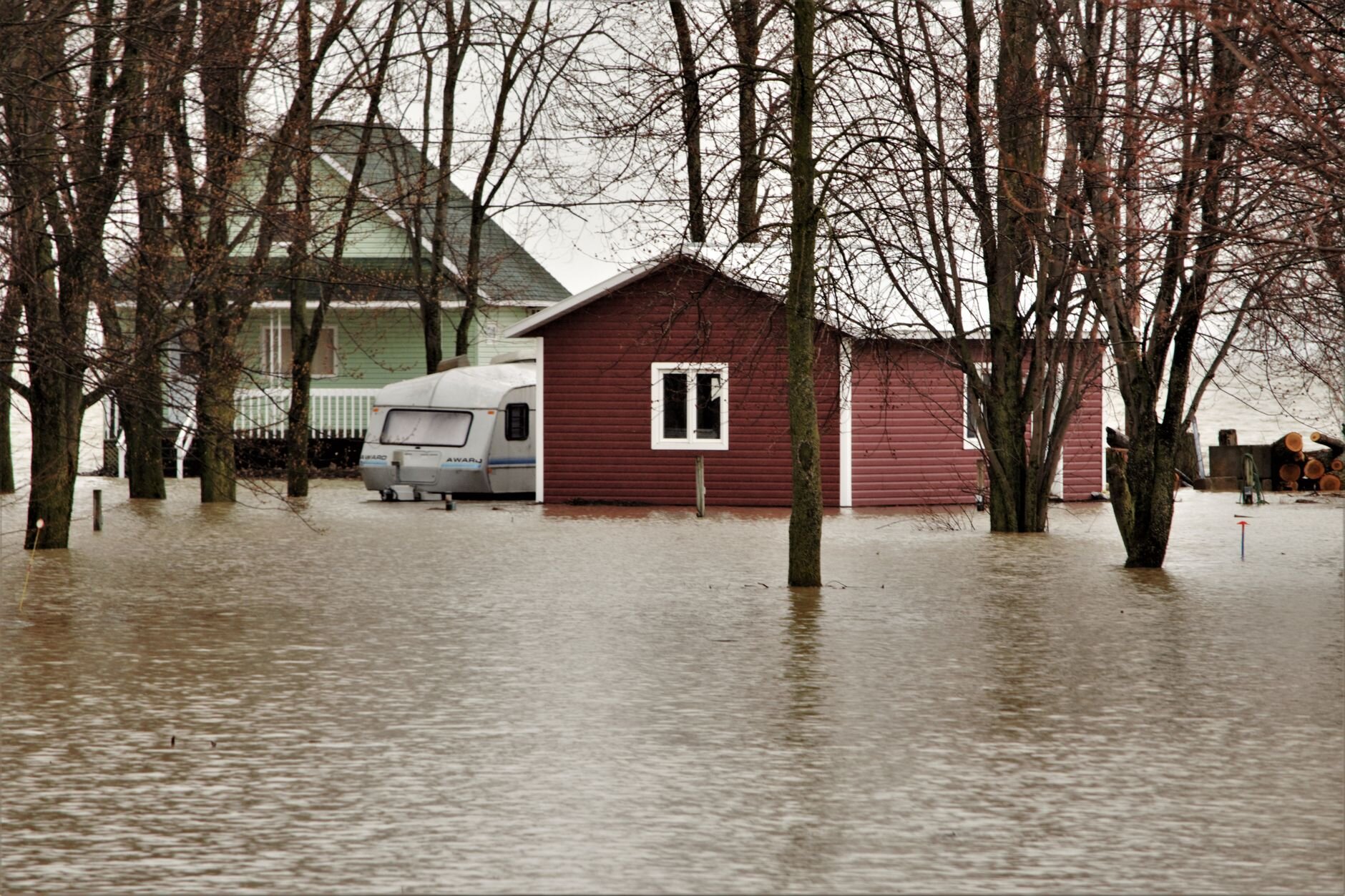
No. Standard homeowners insurance forms typically exclude flood damage. You generally need to purchase a separate policy through the National Flood Insurance Program (NFIP) or a private insurer to protect against flooding.
Does homeowners insurance cover my home business?
Most standard policies provide very limited insurance for business equipment. If you run a business from home, you may need an additional rider, an add-on that extends a standard policy, or a separate commercial policy.
What are the four basic categories of coverage in homeowners policy?
Home insurance covers four basic things: your home’s physical structure, your personal belongings, your personal liability and extra living expenses. From there, you can tack on extra home insurance coverage for service lines, solar panels, business use, and more.
What are the three basic levels of coverage that exist for homeowners insurance?
Home insurance has three basic coverage limits you can choose from as you build your policy: actual cash value, replacement cost, and extended replacement cost. Actual cash value is the lowest coverage level. It covers only the depreciated value of your stuff. Replacement cost is mid-level. It covers the cost of replacing your stuff without deducting depreciation. Extended replacement cost is the highest level of coverage. It pays the full cost to rebuild, even if it’s over your policy limits.
Does home insurance cover wall cracks?
It depends on what caused the cracks. Home insurance won’t cover wall cracks resulting from settling, shifting, or poor construction. (These are considered maintenance issues). That being said, if your wall cracks are from a covered peril — like a sudden and accidental burst pipe or a severe storm — your insurance will likely pay for it up to your policy limits.
Which area is not protected by most homeowners insurance?
Typically, home insurance won’t cover damage from floods, earthquakes, or sewer backups. These types of disasters typically require separate catastrophe coverage. Also, your policy usually won’t cover regular wear and tear, pest infestations, or damage from a lack of maintenance. Read your specific policy to find out what is and isn’t included.
What are the different homeowners insurance types?
The eight main types of home insurance include HO-1 (basic coverage), HO-2 (named-peril coverage), HO-3 (most common coverage), HO-4 (renters insurance), HO-5 (the most comprehensive coverage), HO-6 (condo insurance), HO-7 (mobile home insurance), and HO-8 (modified coverage for older homes).
Hippo makes homeownership easy. Through our network of 70+ trusted carriers, we’ll find you the best quote and coverage options available. Get a free quote in about 60 seconds at hippo.com.
This article is for informational purposes only and was compiled from sources not affiliated with Hippo. While we believe this information to be reliable, we do not guarantee its accuracy or completeness. For any insurance-related decision, please consult your licensed insurance producer.
Sources cited are publicly available and referenced in August, 2026.


We are here from Monday to Friday, from 7:00 AM to 8:00 PM CST, and on Saturdays from 7:00 AM to 6:00 PM CST. We're closed on Sundays. For assistance outside these hours, email us at [email protected] or contact us during our regular hours.
Stay on top of home maintenance with the Hippo Home app.
