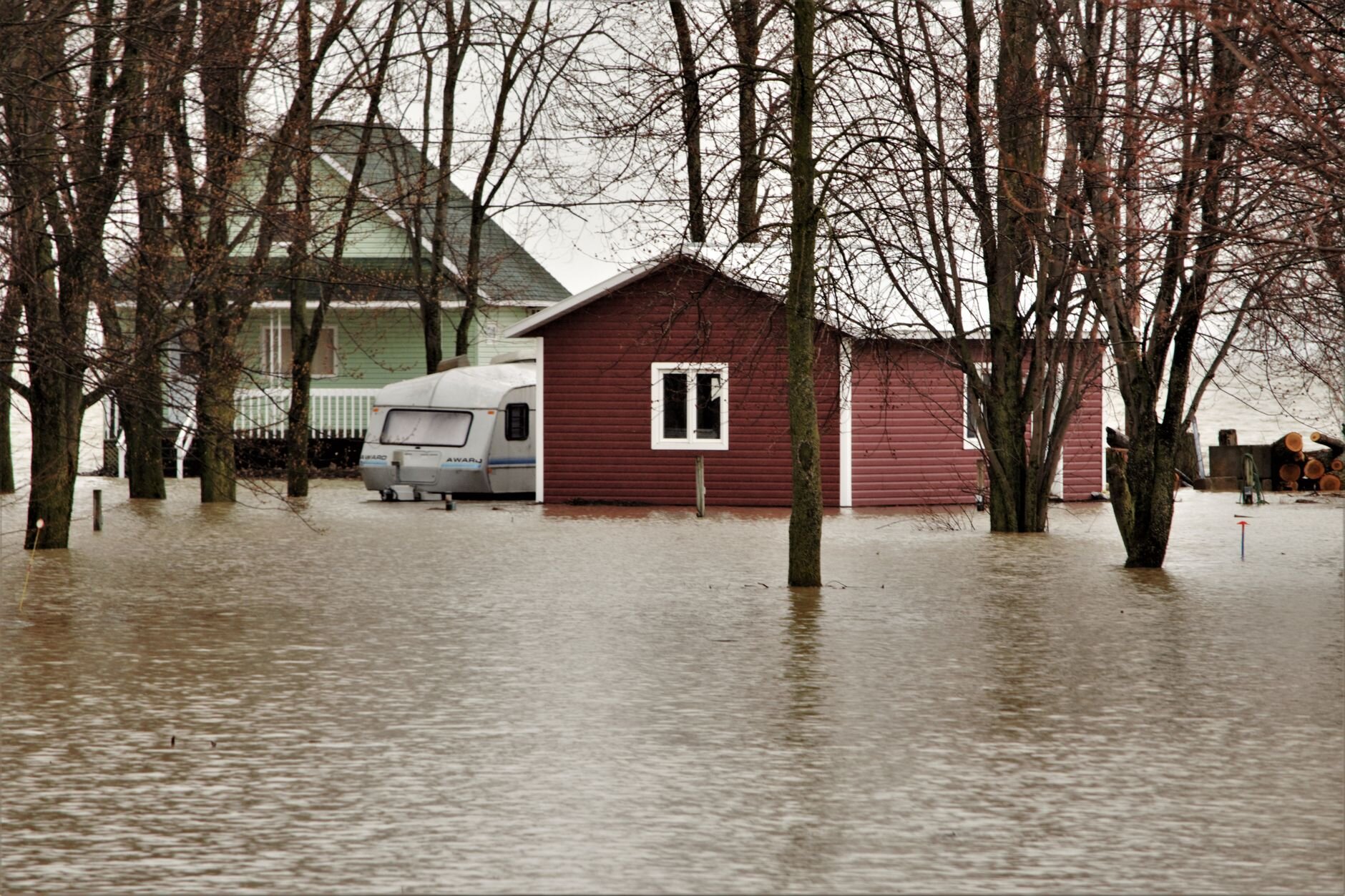
Understanding dwelling coverage
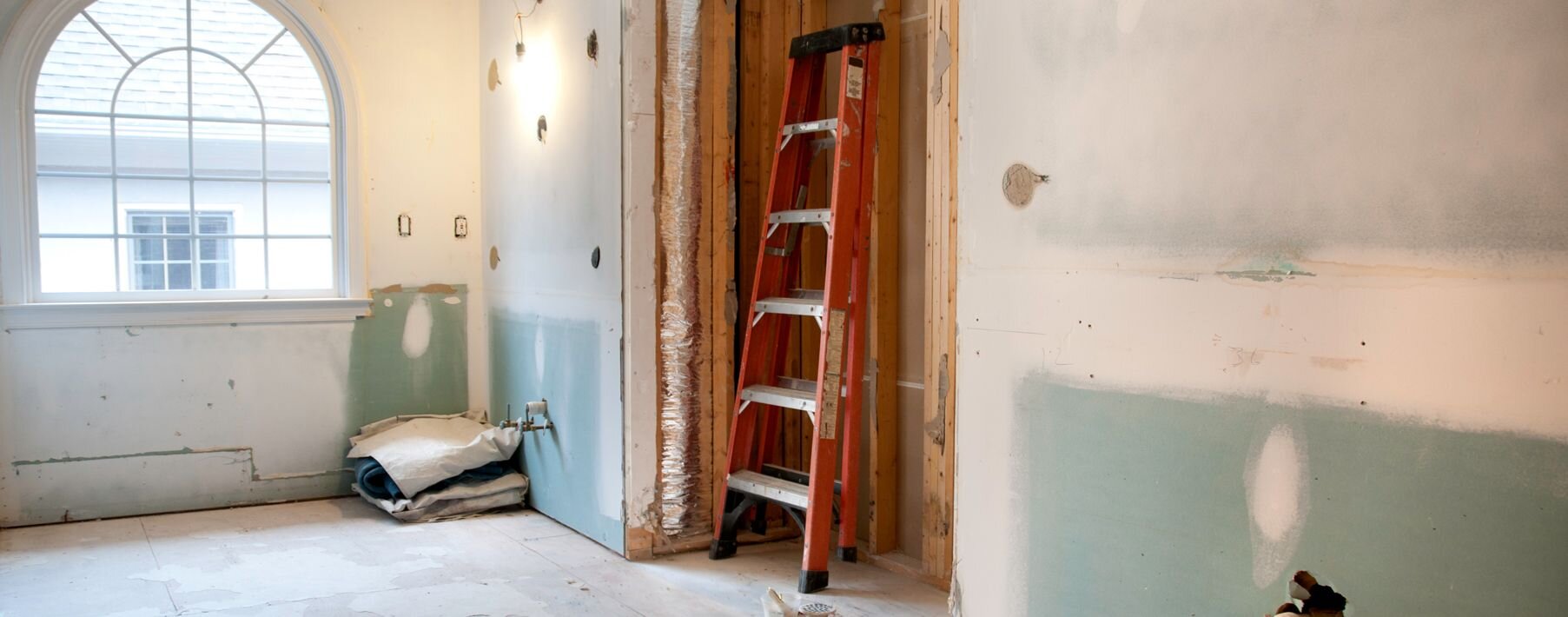
If you had to rebuild your home today, would your homeowners insurance policy cover your entire reconstruction costs? What a real estate listing site says your home is worth and what a builder would charge to rebuild it are two different numbers, and only one of them belongs in your policy.
Dwelling coverage, often referred to as Coverage A, is the foundation of your homeowners insurance policy. It exists to provide the funds to repair or rebuild the physical structure of your house if it's damaged by a covered event.
Key takeaways
- Dwelling insurance covers the structure only—not your belongings and not the land underneath
- Market value and rebuild cost are different numbers—market value includes the land and the neighborhood, and neither one can be rebuilt
- Attached structures are covered, detached usually aren’t—a stand alone shed or a separate guest house falls under Other Structures, with its own limit
- Construction costs change—which is why the initial limit you set may not be the limit you need at renewal time this year
- Flood, earthquake, wear and tear, and sewer backup all sit outside a standard policy, but some can be included as endorsements
What is dwelling insurance?
Dwelling insurance, the Coverage A section of your policy, covers your home’s main structure only—roof, walls, and floors. It doesn't cover any separate structures, such as sheds or guest houses, your belongings, or the land beneath your house.
The Coverage A part of your policy typically protects your home against specific events like fire, wind, lightning, and hail. For those living in high-risk zones, such as California, it's worth reading how home insurance covers wildfires before you set your limit.
Items generally covered under dwelling insurance include:
- The roof and exterior walls
- Attached garages or carports
- Built-in appliances
- Attached decks and porches
- Flooring and cabinetry
What counts as your dwelling
While the main house is the priority, dwelling insurance also extends to structures that share a foundation or roofline with your primary living space. Detached structures, like a shed or a separate guest house, usually fall under a different category called Other Structures—a separate section of the policy with its own limit.
What is not covered under a dwelling policy?
While your dwelling coverage accounts for most of your home insurance protection, it doesn’t cover everything. In fact, there are usually several exclusions in insurance that will be listed in your coverage documents, including catastrophes that require their own insurance rider.
Some typical homeowners insurance exclusions include things like
- Earthquakes
- Floods
- Government seizures
- Mudslides
- Ordinance updates
- Sewer backups
However, you may be able to purchase this coverage on its own or by adding a policy rider.
If you want coverage for detached structures on your property — such as sheds, fences, pool houses, and carports — your carrier may offer protection through additional coverage for structures. Other things that dwelling insurance doesn’t cover may have their own separate and optional insurance policies, including loss of use coverage, equipment breakdown coverage, and even extended replacement cost.
Replacement cost vs market value: why the difference matters
Market value is what a buyer would pay to purchase your home; it includes your land and the neighborhood you live in. Replacement cost is what a builder charges to rebuild it.
These two numbers mean very different things and confusing them can leave you significantly over or underinsured.
Homeowners often set insurance limits based on their home’s market value, but since that includes the land and neighborhood, there’s a good chance they’d be overpaying to insure their home. If on the other hand, they set dwelling coverage limits based on their home’s replacement cost, their insurance costs would be in line with the value of their home.
There’s an important catch to this thinking, however. If construction costs—labor, materials, etc., increase significantly since you purchased your home, the replacement cost could exceed your home’s market value.
Local construction labor costs can outrun your purchase price
Replacement cost focuses entirely on the labor and materials required to build your home from scratch today.
Nationally, prices for building materials used in residential construction, excluding energy, rose 3.7% year over year in April 2026. This means the actual rebuild cost may be higher than what you originally paid for the home. This is especially true for new construction buyers who have customized finishes and high-end materials that must be replaced to original specifications.
How to calculate your rebuild limit
Getting this number right requires looking at your home through the eyes of a contractor, rather than a real estate agent.
Follow these steps to get a more accurate estimate:
- Calculate the total square footage of your living space.
- Research current local construction costs per square foot for your homes of similar quality.
- Note any special materials in your home, such as stone countertops or hardwood floors, that increase costs.
- Consult a professional appraiser or use an insurance agency's quoting tools to compare homeowners insurance quotes.
Do this while the house is new. Photograph your finishes and fixtures, keep the builder's specifications, and revisit your limit each year at renewal, since construction costs often change between renewals.
How much does dwelling coverage cost?
According to a 2023 National Association of Insurance Commissioners (NAIC) report, the average homeowners insurance policy premium was $1,411 in 2021. This accounts for full policy premiums, of which dwelling coverage is a part, though there’s no way to differentiate the dwelling insurance portion of that cost.
However, many factors impact the cost of your dwelling coverage. Home insurance premiums can be affected by the value of your home, and its insured amount plays a large role, as do your location and factors like the age and condition of the property.
Your premiums will also be affected by your policy’s replacement cost options.
- Actual cash value (ACV): The actual cash value (ACV) of your home and its features is determined by taking the current value and subtracting depreciation for age and use. This means you may be on the hook for some of the replacement expenses.
- Replacement cost value (RCV): Replacement cost value will replace your home and its features with the same or similar items without factoring in depreciation. This means that no matter the age or condition of those items, your carrier will pay to repair or replace them and make you whole.
Dwelling coverage for rentals and vacant homes
If you rent out your home, you’d use a different policy form for dwelling coverage. A DP-1 insurance policy is relatively narrow and only covers a dwelling against nine listed perils. Since a DP-1 policy is the most basic and often least expensive, it's often used for vacant or unoccupied properties.
A DP-2 dwelling fire policy is a mid-range landlord policy that covers more risks and can pay to rebuild the structure at current costs. Choosing the right landlord insurance options can help protect rental properties against risks that standard policies might not.
Frequently asked questions
Does dwelling insurance cover my belongings?
No dwelling insurance doesn’t cover personal belongings. It only covers the physical structure. Your furniture, clothes, and electronics are covered under Personal Property.
How often should I update my dwelling limit?
Review your dwelling coverage limits annually or after any major home renovation to account for rising construction costs.
Is dwelling insurance required by law?
Dwelling coverage isn't required by state law, but mortgage lenders often require it in order to protect their investment.
Does dwelling insurance cover a detached garage?
No, dwelling insurance typically doesn't cover a detached garage. Detached structures are usually covered under Other Structures, not Coverage A.
What is water backup coverage?
Water backup coverage is an optional rider offered by many carriers and helps cover expenses related to water intrusion in your home, which is often excluded by standard policies. If your plumbing lines back up and flood your property, this coverage can help pay for water-related damages, like repairs to your flooring, structure, and personal belongings.
What is equipment breakdown coverage?
Equipment breakdown coverage is a type of optional insurance protection that helps pay to repair or replace your home’s appliances and other large equipment in case of a mechanical breakdown. This coverage generally extends to HVAC systems, water heaters, and built-in appliances.
What is the basic form of a dwelling policy?
A basic form policy, or DP-1, provides bare-bones coverage for your dwelling against a limited number of perils, including fire, lightning, and internal explosion. This policy may extend to other structures on the property and can sometimes be expanded to cover other perils, offer replacement cost value, and more.
What is a dwelling structure?
The actual structure of your home is referred to as your dwelling and includes the building itself plus certain attached structures, like a garage or patio. Coverage for your dwelling structure extends to your interior and exterior walls, the roof, the foundation, and permanent fixtures such as cabinets, flooring, and built-in appliances.
Is a hotel a dwelling?
In most regards, a hotel is considered lodging, not a dwelling. The term dwelling is generally reserved for residences such as single- or multi-family homes, condominiums, co-ops, or apartments.
Compare home insurance quotes with dwelling coverage from 70+ carriers in about 60 seconds at hippo.com.
This article is for informational purposes only and was compiled from sources not affiliated with Hippo. While we believe this information to be reliable, we do not guarantee its accuracy or completeness. For any insurance-related decision, please consult your licensed insurance producer.
Sources cited are publicly available and referenced in August, 2026.